 Scroll

We need to talk about infrastructure
Throughout history economic and societal growth has been powered by infrastructure, from the industrial revolution to today's digital revolution.
Infrastructure spans all facets of modern day life, from utilities that power our economies and supply water to our communities; airports, rail networks, ports and highways that connect people and businesses; telecom and digital infrastructure that underpin the 21st century economy.
Infrastructure today
It's estimated that US$106 trillion in investment will be required by 2040 for new and updated infrastructure.
How the projected US$106 trillion infrastructure investment is allocated by sector
How the projected US$106 trillion infrastructure investment is allocated by sector
- $36 trillion Transportation
- $23 trillion Energy
- $19 trillion Digital
- $36 trillion Transportation
- $23 trillion Energy
- $19 trillion Digital
- $16 trillion Social
- $6 trillion Waste and water
- $5 trillion Agriculture
- $2 trillion Aerospace and defense
- $16 trillion Social
- $6 trillion Waste and water
- $5 trillion Agriculture
- $2 trillion Aerospace and defense
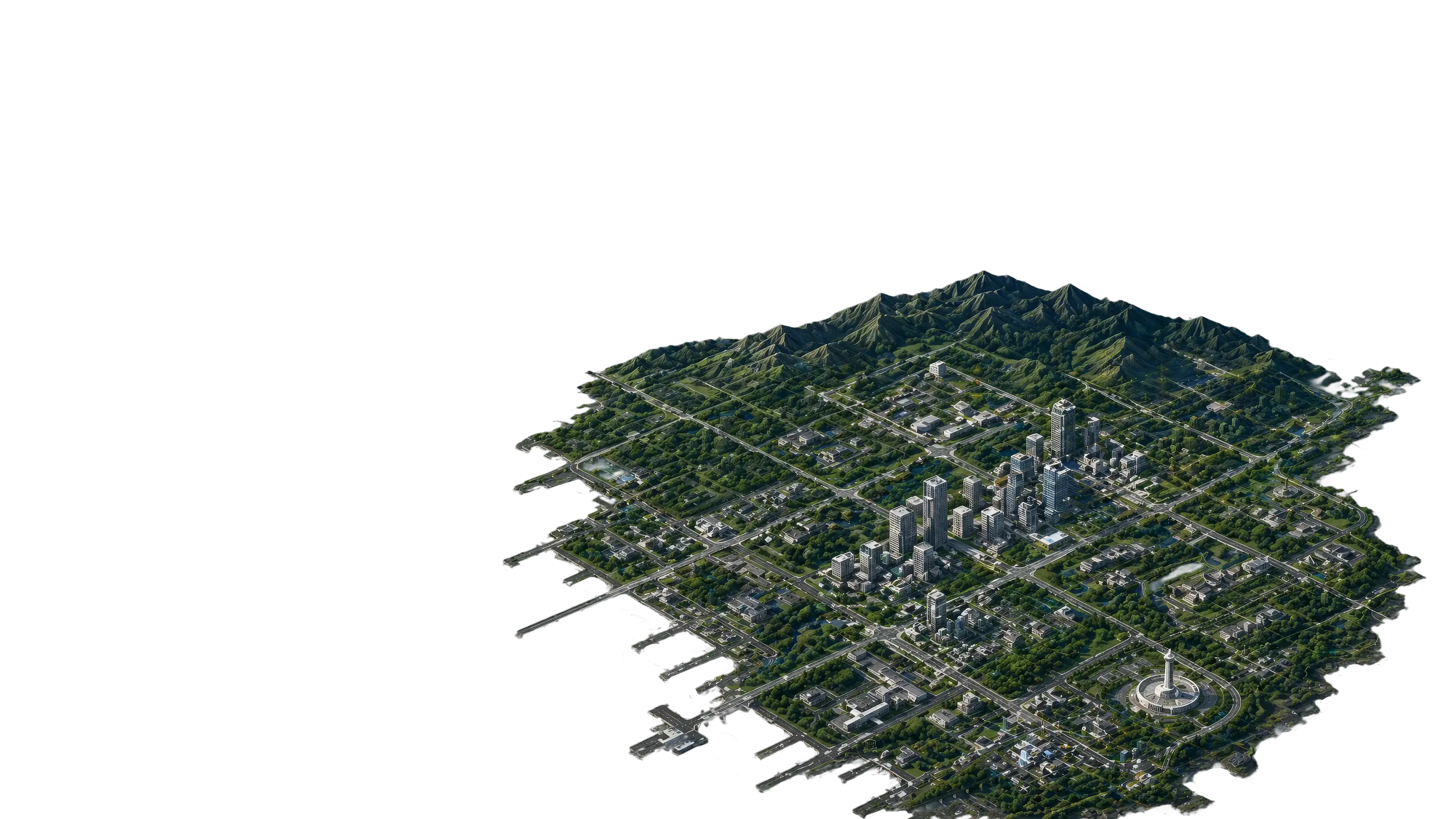

infrastructure
Infrastructure is under pressure
Ageing infrastructure systems continue to buckle under the strain of prolonged use.
New technologies are turbocharging rising power demands. Changing geopolitics have underlined the vulnerability of critical infrastructure and the need for resilient infrastructure networks.
System pressure
Recent headlines suggest an acceleration in infrastructure investment is needed
Real-World Events
Power outages and blackouts
Real World Events
Water shortages
Drought impacts are becoming steadily more human-made and extremely costly. These droughts are caused by overuse and degradation rather than natural weather patterns alone.
Themes reshaping the world
These system pressures can no longer be ignored. Governments and investors are starting to act, with policy and fiscal packages being announced across developed economies.
Source: McKinsey & Company, "The Infrastructure Moment", September 2025; US Treasury FY 2025.
Meeting the world's infrastructure needs requires investment equivalent to the entire US federal budget — every year for the next 15 years

Infrastructure trends in action
Modernising infrastructure
Infrastructure networks are being upgraded to improve resilience, efficiency and reliability as power demand increases.
Source: The American Society of Civil Engineers (ASCE) estimates that failing to modernize this infrastructure could cost the US economy $10 trillion in lost GDP by 2039.
Decarbonisation
Infrastructure investment is supporting the transition towards cleaner and more sustainable energy systems.
Source: BloombergNEF's (BNEF) annual Energy Transition Investment Trends (ETIT).
Resilience and Reshoring
Energy systems are adapting to support changing power demand and improve energy security.
Natural gas accounts for around 25% of global energy supply — making the infrastructure behind it essential for energy security and system stability.
Source: Energy Institute, Statistical Review of World Energy 2025
Data Infrastructure
Expansion of digital infrastructure supporting growing connectivity.
 Explore Trends
- Modernising infrastructure
- Decarbonisation
- Resilience and reshoring
- Data infrastructure
What makes this a compelling investment opportunity
Infrastructure businesses sit at the centre of long-term structural themes including power demand growth, urbanisation, AI and digital infrastructure, and decarbonisation.
Why invest and why it matters
Accessing the infrastructure opportunity through long-lived physical assets that we believe have a sustainable competitive advantage, supported by resilient business models and long-term demand.
Key characteristics
-
01 Protected by regulation
Certain infrastructure assets that produce attractive returns that are set and protected by regulation or long-term contracts.
-
02 Stable long-term contracts
Infrastructure assets often operate with predictable and recurring revenue streams supported by long-duration contracts.
-
03 Sustainable competitive advantage
Companies with enduring physical assets that possess a sustainable competitive advantage.
-
Electricity, gas and water networks
-
Renewable power generation
Company example
Companhia de Saneamento Basico do Estado de Sao Paulo (Sabesp) is the largest water and waste management company in Latin America. It serves nearly 30 million people with water and over 27 million with sewage collection.
-
Gas pipelines
-
Natus error sit voluptatem
Company example
ENGIE operates in 30 countries, delivering power, gas and heat while supporting the transition to lower-carbon systems. It operates Europe's largest gas transmission and distribution network, as well as Europe’s largest natural gas storage capacity.
-
Telecom
-
Data infrastructure
-
Specialised real estate
Company example
Singapore Telecom is a telecommunications conglomerate, the country's principal fixed-line operator and one of the four major mobile network operators operating in the country. It owns a portfolio of telecom assets in Singapore and Australia, and a stake in Asia’s biggest datacentre owner.
Why now
The growth opportunity within infrastructure is significant and, in our view, underappreciated.
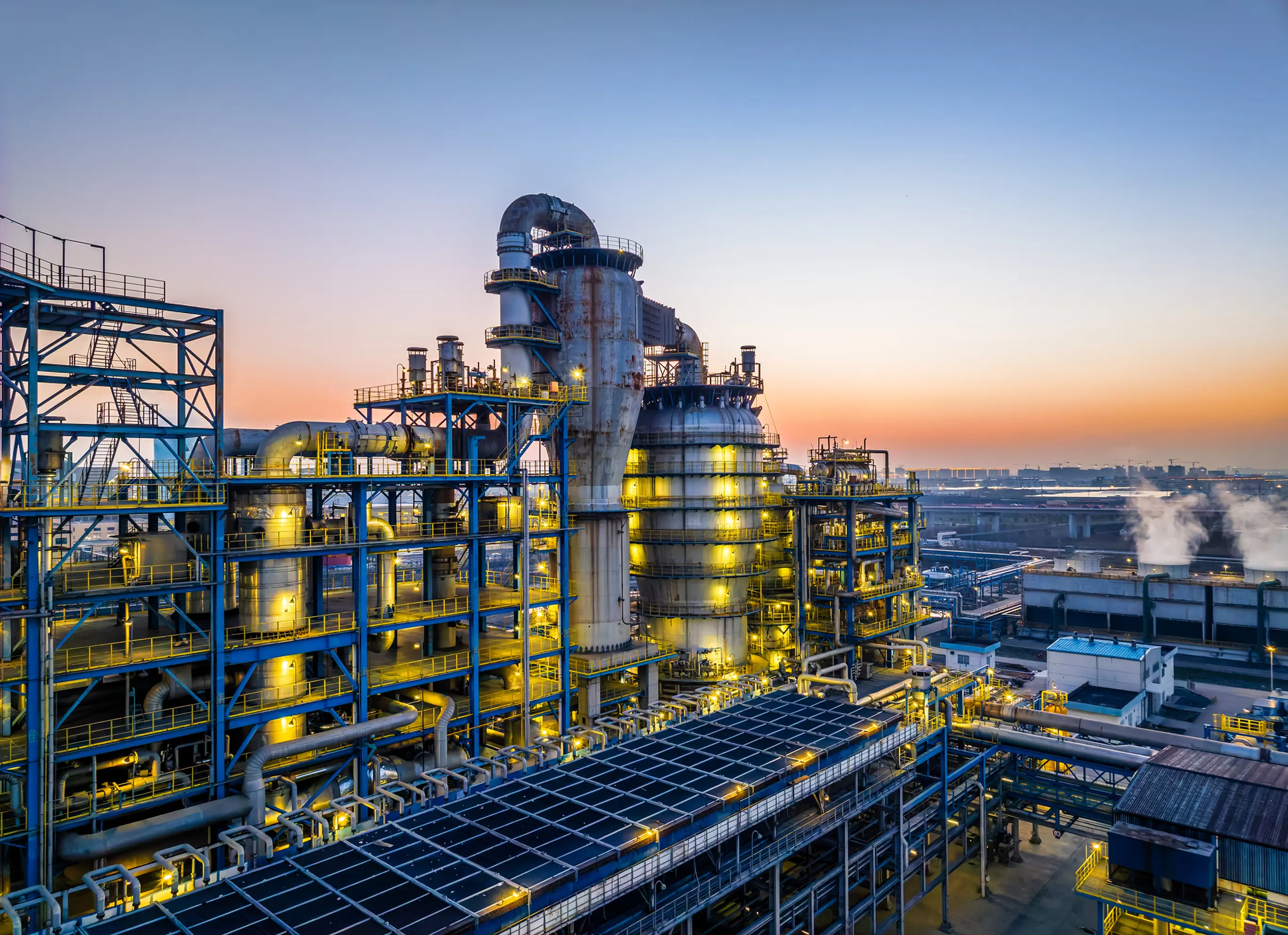

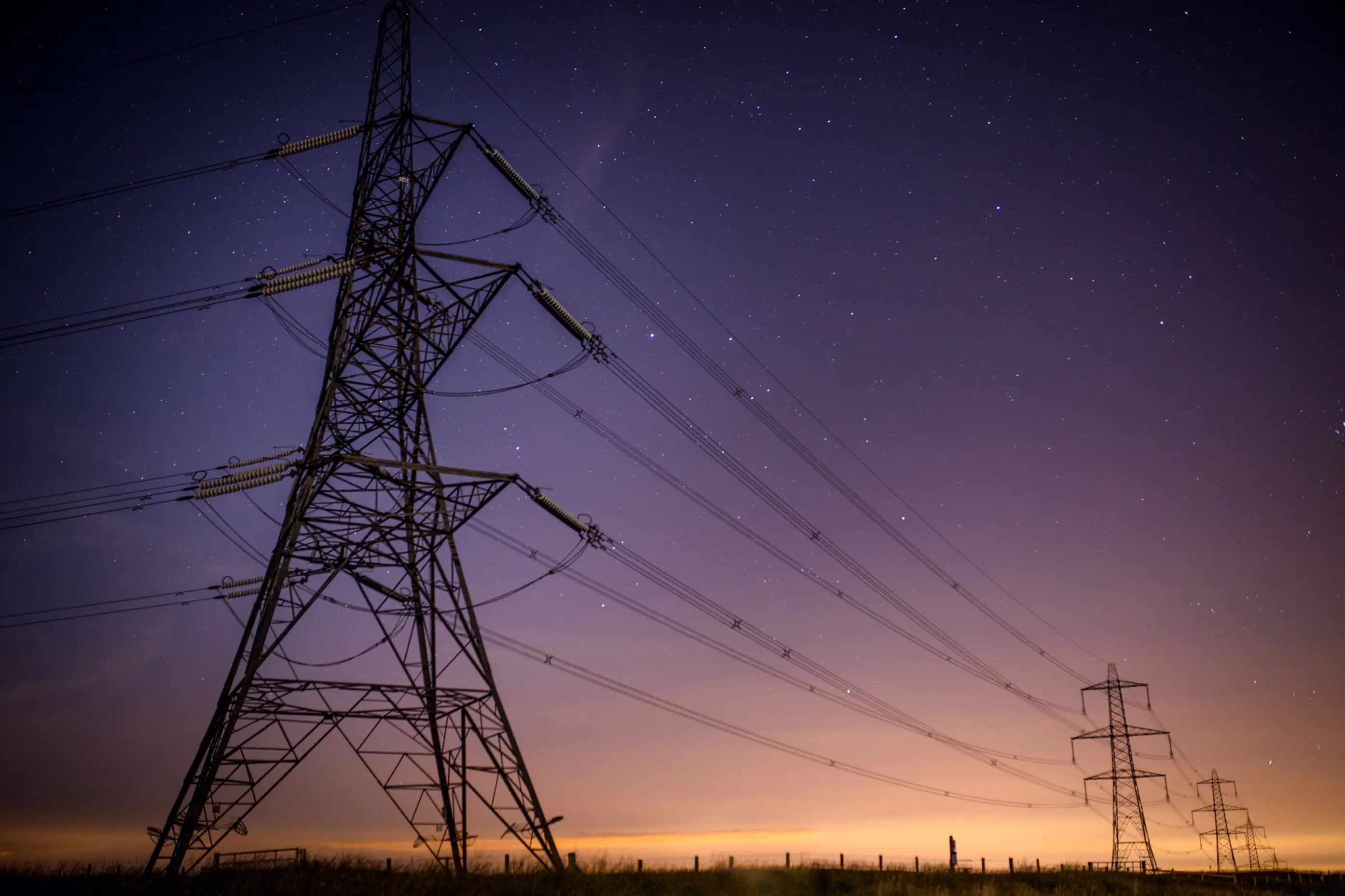
Investing in infrastructure is...
Consistent
Cash-flows can be highly predictable with consistent revenue streams, providing a source of income to the fund.
Future-Facing
Exposure to long-term growth themes including power demand, electrification and digital infrastructure demand.
Stable
Inflation-linked growth potential with attractive upside/downside characteristics and drawdown mitigation potential.

Tom Levering
Equity Portfolio Manager
The current environment for infrastructure is the best I have seen in my near 30 years of investing, given growth expectations are at their highest and valuations aren’t reflecting that growth.